Key points in 30 seconds
Pelvic-floor rehabilitation trains muscle function and control. Vaginal laser applies energy to tissue; the two approaches do not act through the same mechanism.
Urinary leakage has multiple causes. The circumstances of leakage, pain and associated symptoms matter more than the device name.
Evidence for several marketed energy-based “vaginal rejuvenation” uses remains insufficient; diagnosis and established alternatives should guide decisions.
The key distinction for this topic
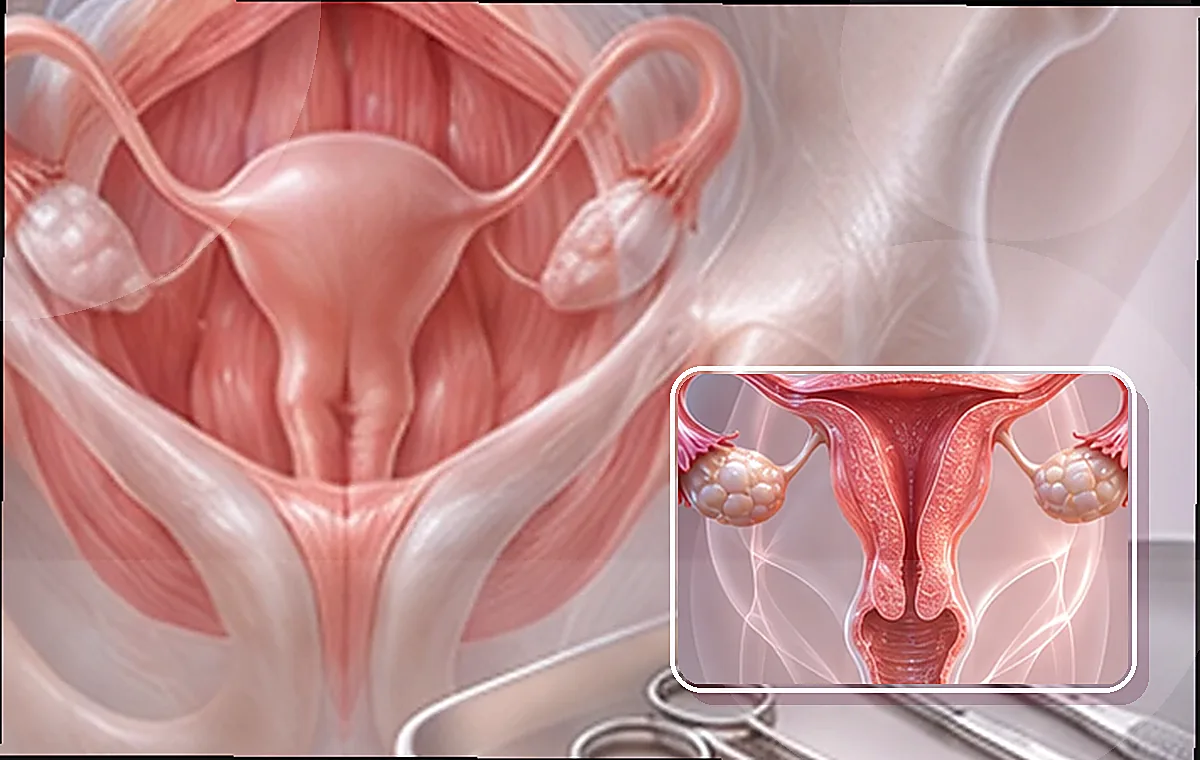
Intimate laser procedures and pelvic-floor rehabilitation work through different mechanisms. With urinary symptoms, clinical assessment and supervised muscle training may be key. A feeling of increased tone does not itself demonstrate improved symptoms, and intimate energy-based interventions warrant careful appraisal of the evidence.
Criteria to discuss
1. Pelvic floor training targets muscular function
Pelvic-floor training aims in part at voluntary muscle contraction and relaxation; this differs from a procedure targeting vaginal mucosa.
2. Laser energy acts on selected tissue through device parameters
Intimate laser applies energy to tissue at defined settings. This differs from learning voluntary muscle contraction.
3. Urinary leakage does not always mean vaginal laxity
Leakage on exertion and urinary urgency are different presentations. Characterise the symptoms before discussing vaginal or muscle-directed interventions.
4. Rehabilitation has an established role in many care pathways
Rehabilitation may involve learning contraction and relaxation followed by tailored exercises. The programme should be based on pelvic-floor assessment.
5. Evidence for energy devices in vaginal symptoms remains limited
The concern should be clearly defined and other causes requiring different care considered. Benefits from a device should not be assumed.
6. Symptoms should be assessed before choosing a technique
Record how often symptoms occur, when they began and which activities trigger them. This information helps guide assessment and define a follow-up goal.
How GYNÉBELLE approaches this in Ennasr 2
GYNÉBELLE describes the technologies and services actually offered by its women-only centre. An in-person appointment allows patients to discuss their goals, whether a procedure is appropriate, and how a possible course would be organised. The centre is at Résidence La Coupole, first floor, office BA5 bis, Ennasr 2, Ariana, Tunis.
Related reading
Medical sources and context
External references explain the clinical context; they do not independently certify this centre’s equipment or endorse a particular indication.
Discuss your goals with the centre
GYNÉBELLE medical laser and aesthetics centre · Ennasr 2, Ariana, Tunis
Book an appointment