Key points in 30 seconds
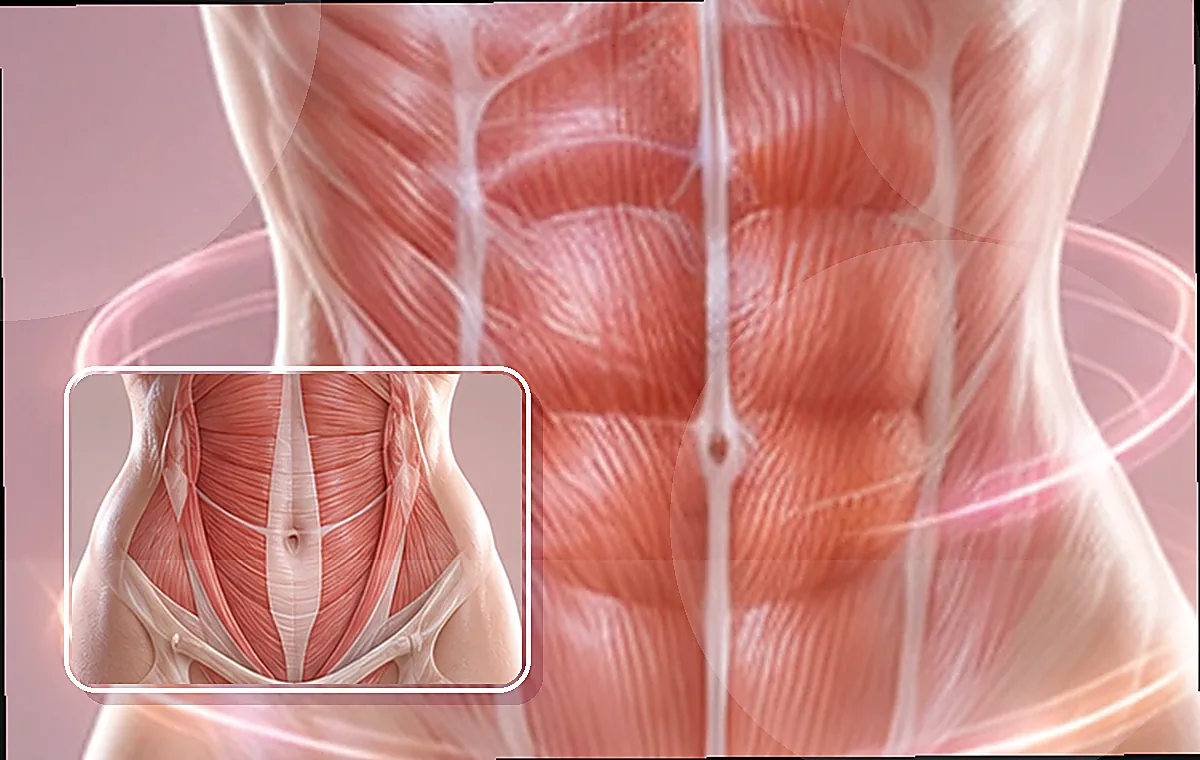
HIFEM stimulates muscles electromagnetically; how strong a session feels is not a validated measure of urinary symptom improvement.
A symptom diary can document frequency, circumstances and burden, but cannot diagnose the condition by itself.
Pelvic-floor rehabilitation forms part of many care pathways; discussing a device should not obscure established options.
The key distinction for this topic
Device-induced muscle contractions do not automatically translate into improved continence. Distinguish a physiological effect from a patient-reported symptom change and consider the strength of the clinical evidence. Pelvic-floor rehabilitation also depends on diagnosis and appropriate professional guidance.
Criteria to discuss
1. Electromagnetic stimulation aims to induce muscle contractions
A device-induced contraction is not itself a clinical outcome. Consider relevant symptoms or function and the quality of studies that measure them.
2. Urinary symptoms need assessment before treatment
Describe leakage circumstances, urgency and frequency to the clinician to characterise the concern before selecting a programme.
3. Pelvic floor muscle exercises remain a key standard
Pelvic-floor exercises teach voluntary muscle use and can be adapted to the intended function. Device-based stimulation is a different approach and does not automatically replace that work.
4. Studies of HIFEM are promising but still limited
Induced contractions, symptom frequency and quality of life are different outcomes. Consider what HIFEM studies actually measured.
5. Different devices and protocols are not automatically equivalent
Electromagnetic stimulation devices may differ in applicator and protocol. Results from one study do not automatically transfer to other equipment.
6. Symptom follow-up matters more than marketing claims
For urinary concerns, leakage frequency and impact on activities are concrete observations to discuss during follow-up.
7. Separate perceived comfort from measured changes
To assess change, separate comfort during a session from symptom frequency in daily life. These observations do not measure the same outcome.
How GYNÉBELLE approaches this in Ennasr 2
GYNÉBELLE describes the technologies and services actually offered by its women-only centre. An in-person appointment allows patients to discuss their goals, whether a procedure is appropriate, and how a possible course would be organised. The centre is at Résidence La Coupole, first floor, office BA5 bis, Ennasr 2, Ariana, Tunis.
Related reading
Medical sources and context
External references explain the clinical context; they do not independently certify this centre’s equipment or endorse a particular indication.
Discuss your goals with the centre
GYNÉBELLE medical laser and aesthetics centre · Ennasr 2, Ariana, Tunis
Book an appointment