Pelvic floor after pregnancy in Tunisia: a guide to understanding changes
Urinary leakage, heaviness, scarring, or reduced muscle tone: understanding what belongs to recovery, rehabilitation, or gynecological assessment.
“Since giving birth, I don't feel quite the same as before.” This is a common statement, but it does not always describe the same problem. Some women mention small leaks when laughing. Others describe a sensitive scar or a feeling of looseness.
LECTUREDecision guideUrinary leakage, heaviness, scars, or reduced muscle tone…
GYNÉBELLEInformation before treatmentpelvic floor after pregnancy Tunisia
GYNÉBELLE · MEDICAL NEWS
GYNEBELLE / MEDICAL NEWS / ARTICLE 001
INTERACTIVE · START HEREChoose your question
01 / UNDERSTANDING THE SUBJECT
The question at the heart of this article
“Since giving birth, I don't feel quite the same as before.” This is a common statement, but it does not always describe the same problem. Some women mention small leaks when laughing. Others describe a sensitive scar or a feeling of looseness.
The pelvic floor after pregnancy can be affected by pregnancy itself, childbirth, and hormonal changes. The body recovers gradually, but persistent symptoms deserve attention rather than being accepted as inevitable.
In Ennasr 2, Ariana, GYNÉBELLE presents an approach to intimate health that begins with assessment and clearly distinguishes rehabilitation, technology, and possible surgery.
MEDICAL EXPLANATION · GYNÉBELLE
What women describe in very different ways
After childbirth, “my pelvic floor has changed” may mean stress leakage, a feeling of heaviness, a painful scar, or simply concern about muscle tone. These symptoms need to be distinguished. Supervised pelvic floor rehabilitation remains a reference approach in many situations; stimulation devices do not address every cause, and surgery is discussed only after appropriate assessment.
02 / THE PRINCIPLE
What changes during pregnancy and after birth
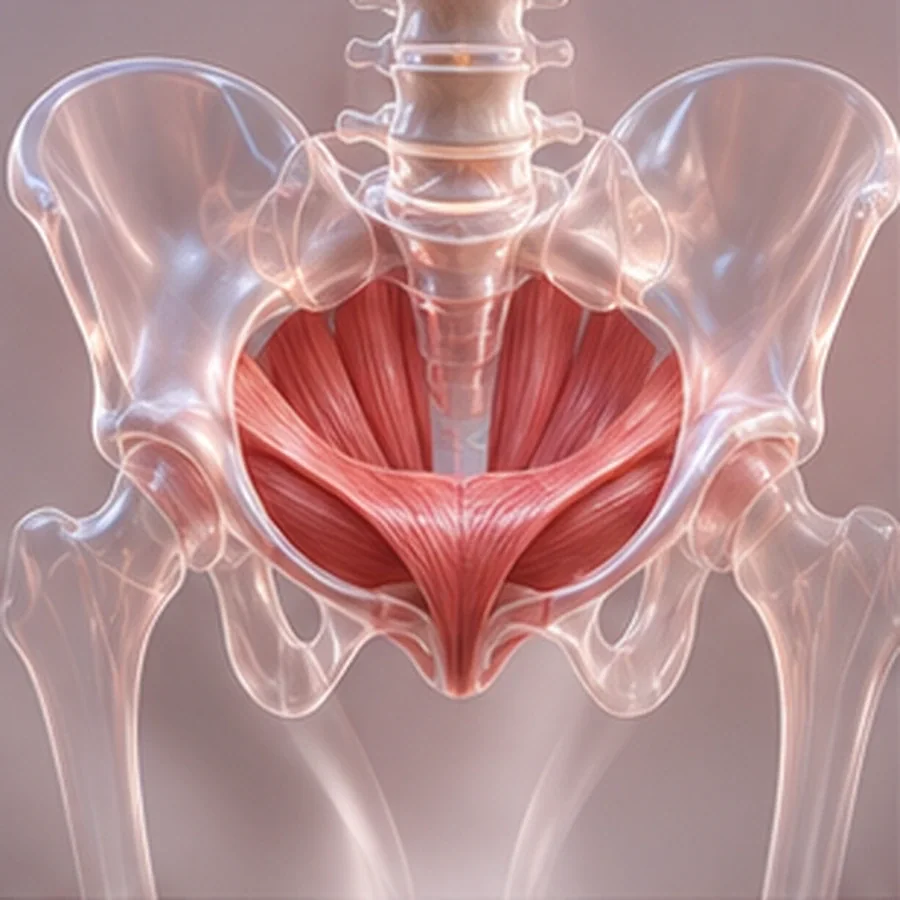
The muscles and supporting tissues of the pelvic floor contribute to urinary continence, organ support, and some intimate functions. Pregnancy places demands on them even after a cesarean delivery. Recovery varies according to obstetric experiences and health status.
Pelvic pain, a sensitive episiotomy scar, stress leakage, and a feeling of bulging are not interchangeable. Describing them precisely helps avoid overly generalized treatment.
GYNÉBELLE / KEY POINT
What changes during pregnancy and after birth
The muscles and supporting tissues of the pelvic floor contribute to urinary continence, organ support, and some intimate functions. Pregnancy places demands on them even after a cesarean delivery. Recovery varies according to obstetric experiences and health status.
Pelvic pain, a sensitive episiotomy scar, stress leakage, and a feeling of bulging are not interchangeable. Describing them precisely helps avoid overly generalized treatment.
For stress urinary incontinence, 2026 European guidelines recommend sufficiently intensive supervised pelvic floor muscle training for at least three months. This is not simply a random series of contractions.
The program may include assessment of contraction and relaxation, progressive exercises, and tailored advice. Some women instead have an overly tense pelvic floor; focusing only on strengthening could then be counterproductive.
“
Urinary leakage, heaviness, scarring, or reduced muscle tone: understanding what belongs to recovery, rehabilitation, or gynecological assessment.
04 / BEFORE DECIDING
ALURA HIFEM, intimate laser, and surgery: do not confuse them
GYNÉBELLE presents ALURA HIFEM, a device for electromagnetic stimulation of the pelvic floor. However, it should not be presented as a proven equivalent to supervised rehabilitation: evidence remains limited for several uses, and guidelines do not prioritize it.
Requests for laser “vaginal tightening” and perineoplasty involve different questions. Health authorities note that energy-based devices marketed for vaginal rejuvenation lack sufficient evidence for several claims. Surgery is discussed only after diagnosis and informed consent.
05 / REAL-LIFE SITUATIONS
When should you book an appointment after childbirth?
If leakage, pain, heaviness, sexual difficulties, or scar discomfort persist, a consultation helps identify the cause and plan appropriate steps. A feeling of pressure accompanied by a visible bulge also warrants examination.
Dr Ines Ben Hassen Hached, an obstetrician-gynecologist involved in GYNÉBELLE's care pathway, can contribute to this assessment. The goal is to restore comfort and function without automatically recommending a device or procedure.
Guidelines and studies worth knowing
The 2026 EAU guidelines recommend at least three months of supervised pelvic floor training as first-line care for stress incontinence and certain mixed forms.
ACOG recommendations for returning to activity after pregnancy advise an individualized progression, particularly after cesarean delivery or complications.
Choose a step below. The explanations change without providing a diagnosis.
Which aspect would you like to understand first?
Choose the situation closest to yours. The guide displays relevant information, equipment related to your question, and a page to explore. It does not replace a consultation.
STEP 1 / YOUR CONCERNChoose a situation
SUGGESTED READING
What changes during pregnancy and after birth
The muscles and supporting tissues of the pelvic floor contribute to urinary continence, organ support, and some intimate functions. Pregnancy places demands on them even after a cesarean delivery. Recovery varies according to obstetric experiences and health status.
pelvic floor after pregnancy Tunisiapelvic floor rehabilitation Arianapostpartum urinary incontinence
This article presents only equipment related to the issue discussed. Select a technology to understand its role.
Equipment relevant to this feature
GYNÉBELLE's seven devices are not designed for the same concerns. Select a device to learn about its actual role. The photographs shown come from GYNÉBELLE's pages.
Do you feel that your pelvic floor has changed after pregnancy? An appointment at GYNÉBELLE can help distinguish recovery, functional disorders, and other possible causes.
Dr Ines Ben Hassen Hached contributes to GYNÉBELLE's gynecological and intimate care pathway when a concern requires specialist assessment. The location and arrangements for any possible procedure are clarified according to the intervention.
Booking a consultation does not commit you to a treatment session or surgery. The first step is to understand the options appropriate to your situation.
Do you feel that your pelvic floor has changed after pregnancy? An appointment at GYNÉBELLE can help distinguish recovery, functional disorders, and other possible causes.